The New Home Economics


1 Comment

2013 garden: planted!

We placed an arch between the two tanks for a new flower tunnel!

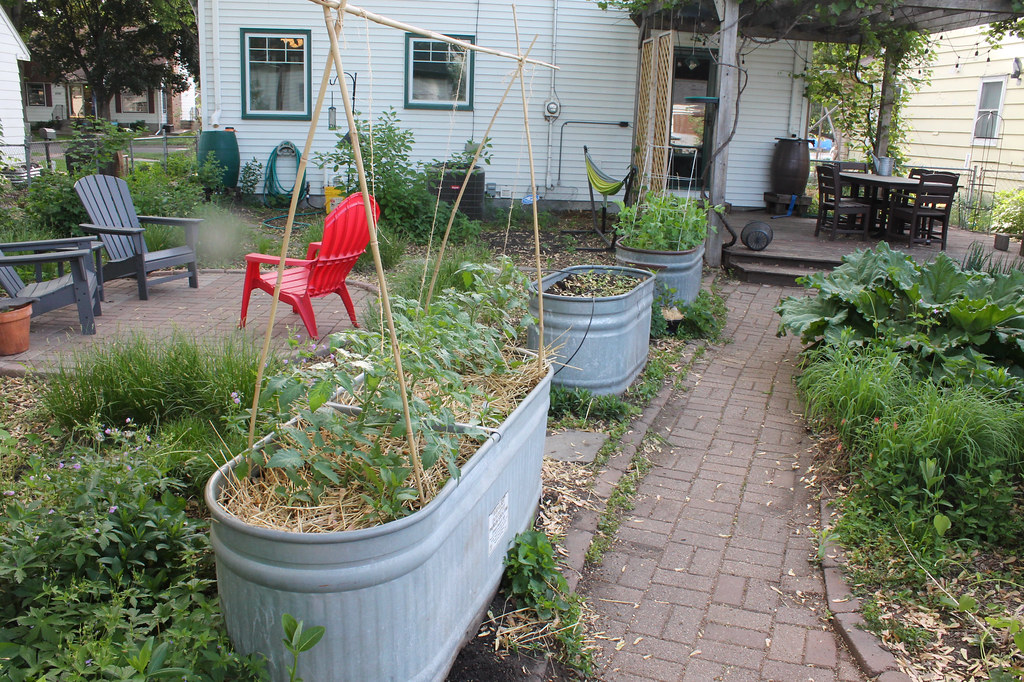
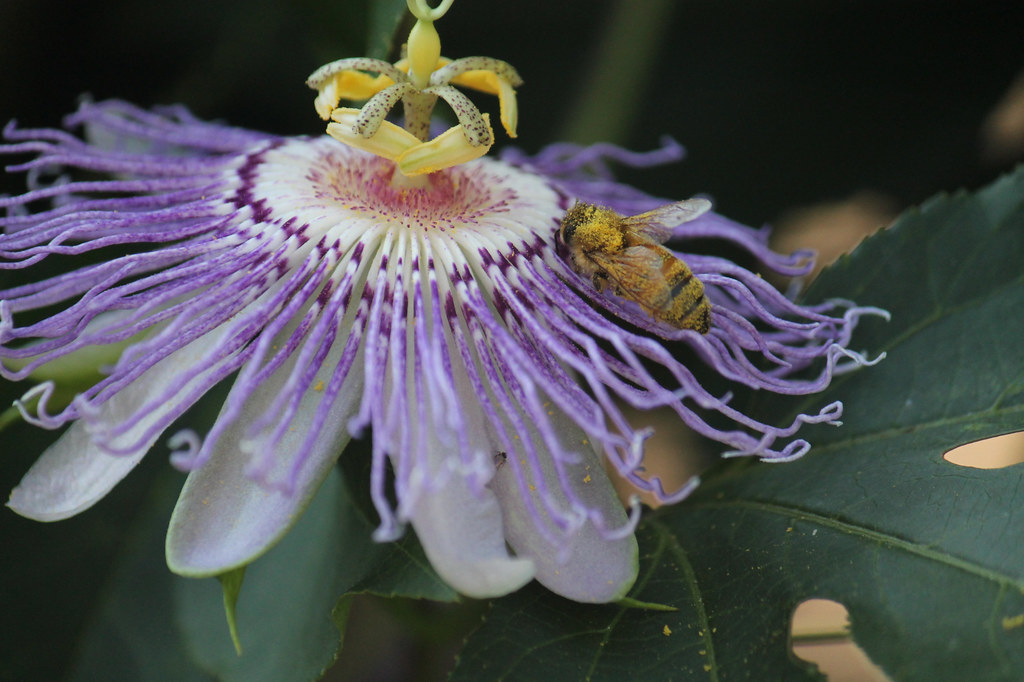
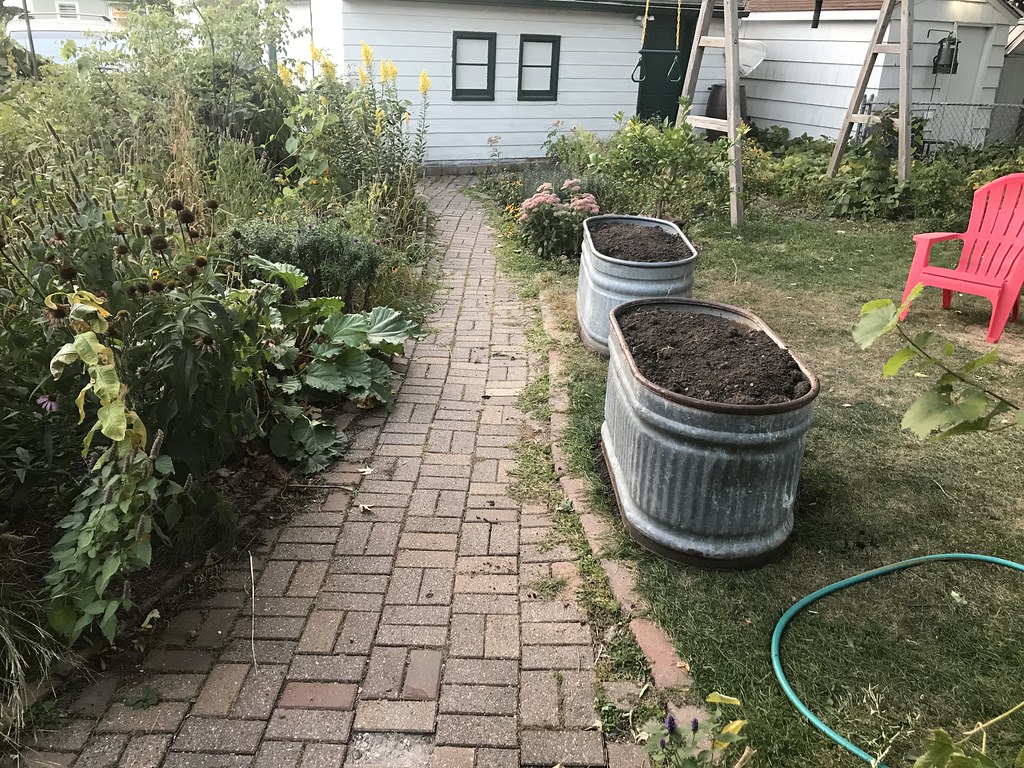
Saturday was cold and windy, but we got things started by making an archway between Rowan and Anneke’s tank gardens. Later on we planted a cup and saucer vine, which will cover this arch and make a tunnel of flowers by mid-summer.

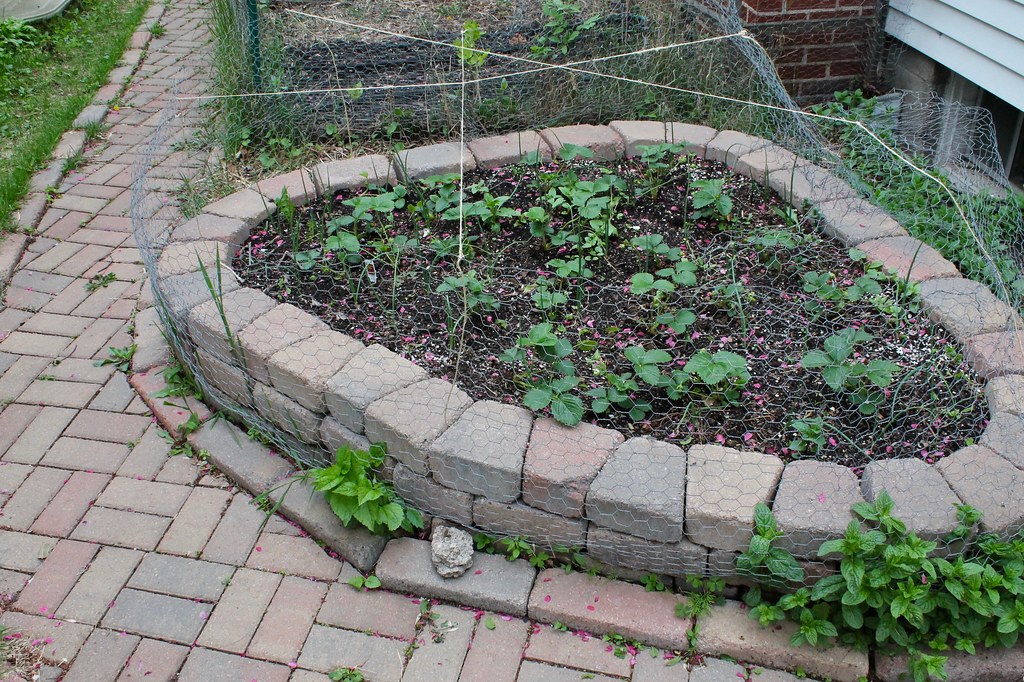
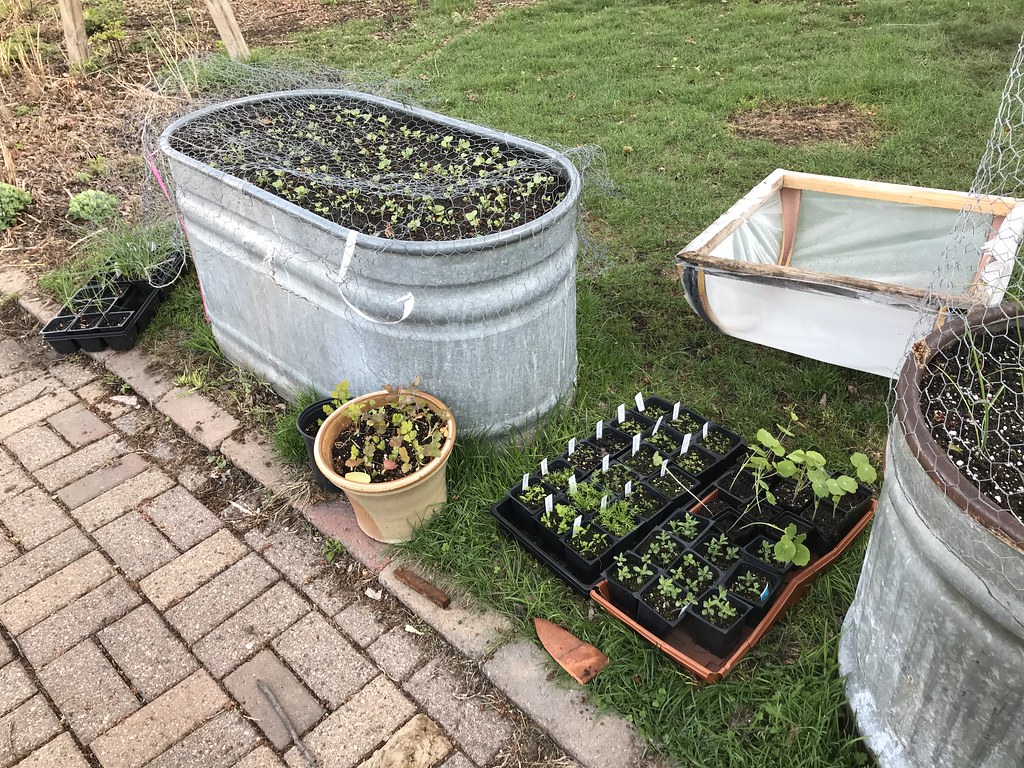
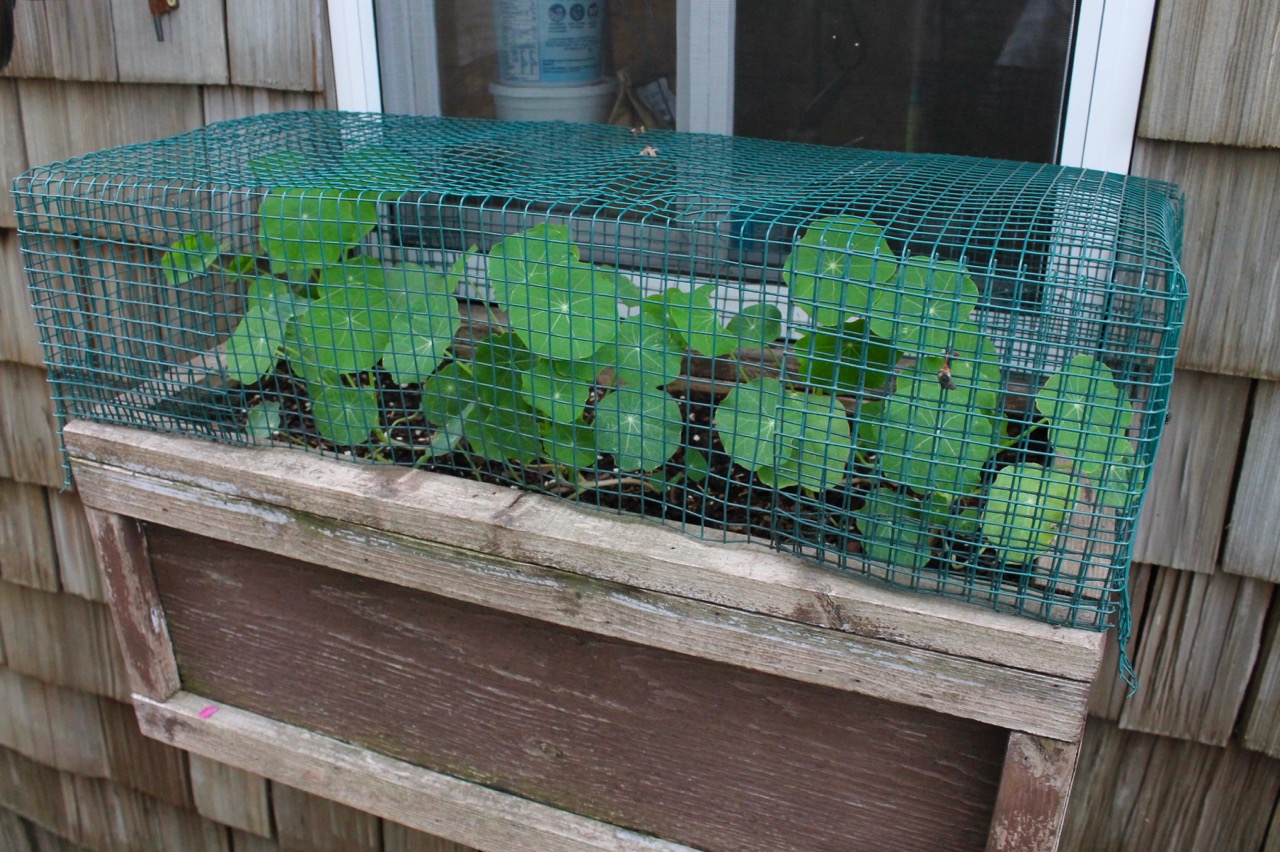
Rabbit-proofing the vegetable garden, from New Home EconomicsSunday morning was cool and beautiful, so we got started early. Rabbits were getting in through gaps in our (formerly) rabbit-proof fence. We wired chicken wire over the whole thing to beef up security.

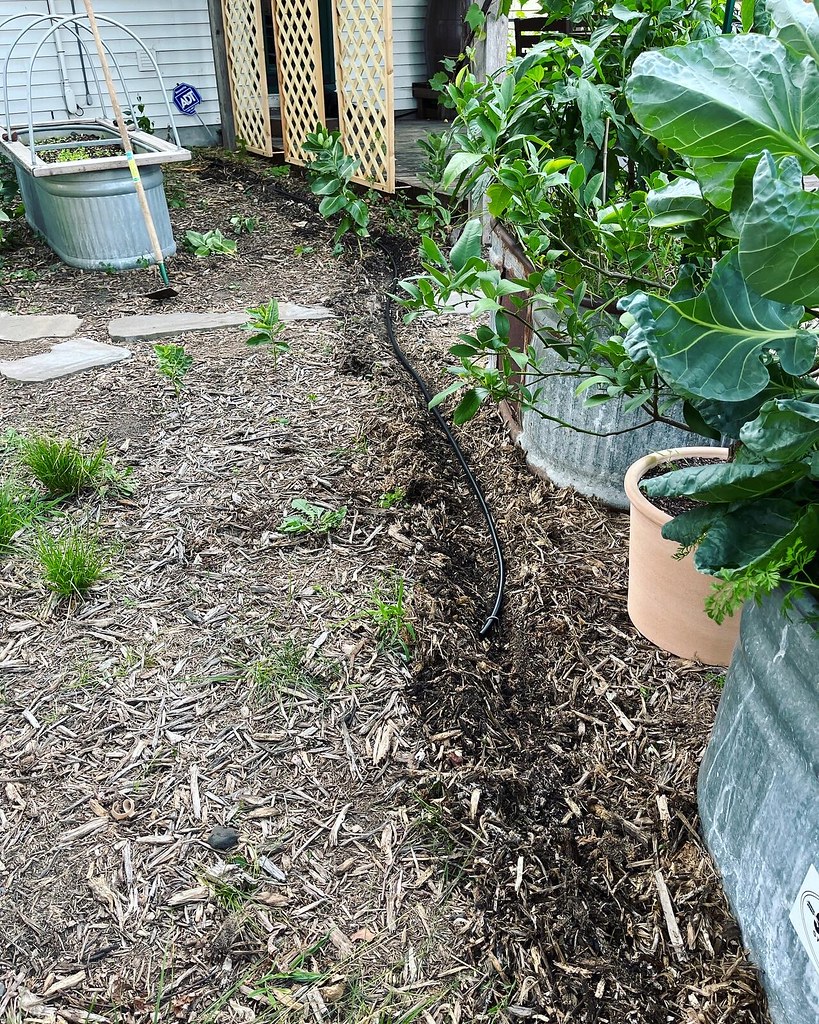
Laying out soaker hoses, via New Home Economics

Next we laid out the soaker hoses. I hate this part. It’s always a puzzle to figure out the best possible layout, re-arranging a couple times before we figure out what will work best. But I like to do it before we plant so that we’re not running over little plants with the hoses.

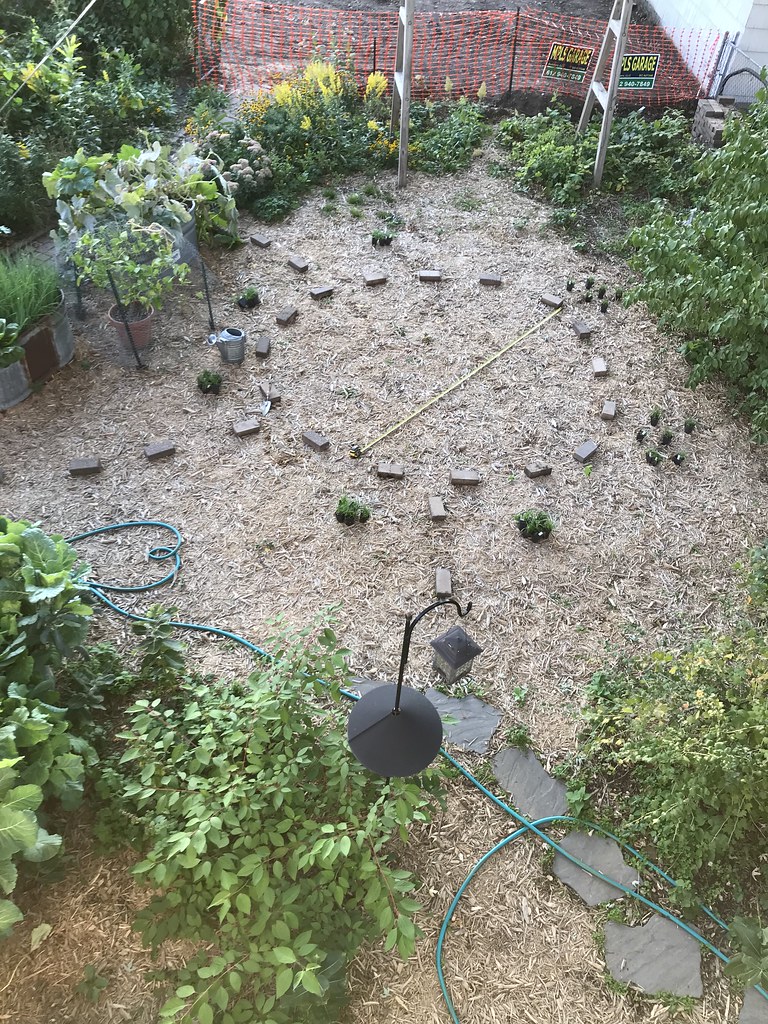
Garden: planted! Via New Home Economics

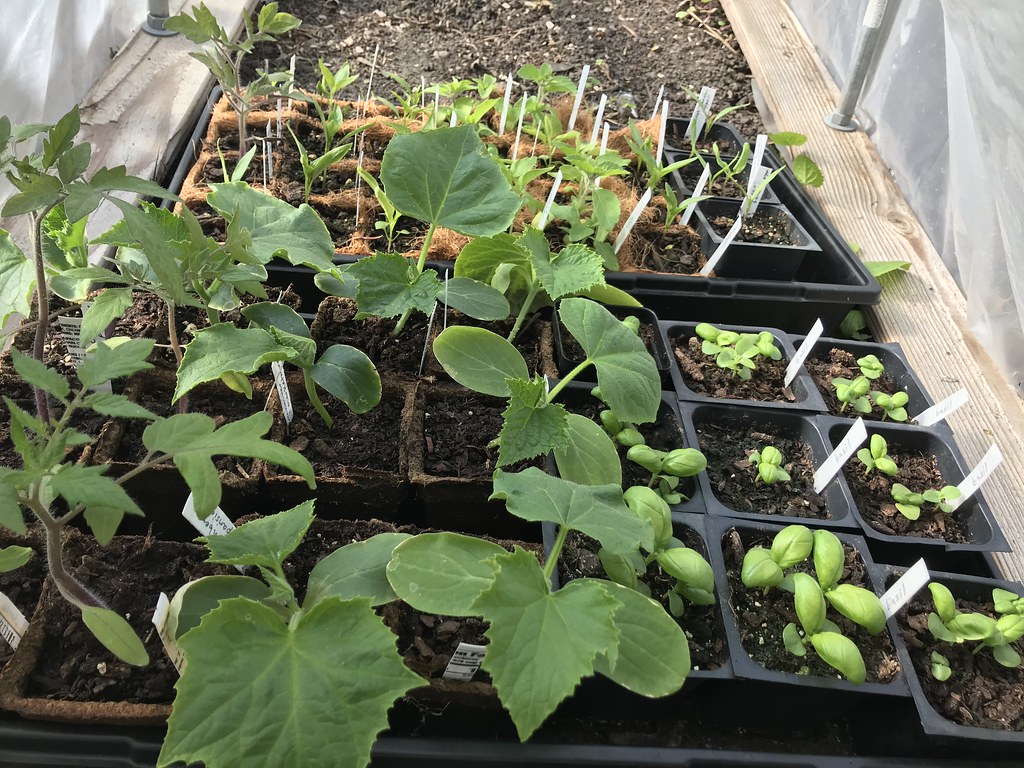
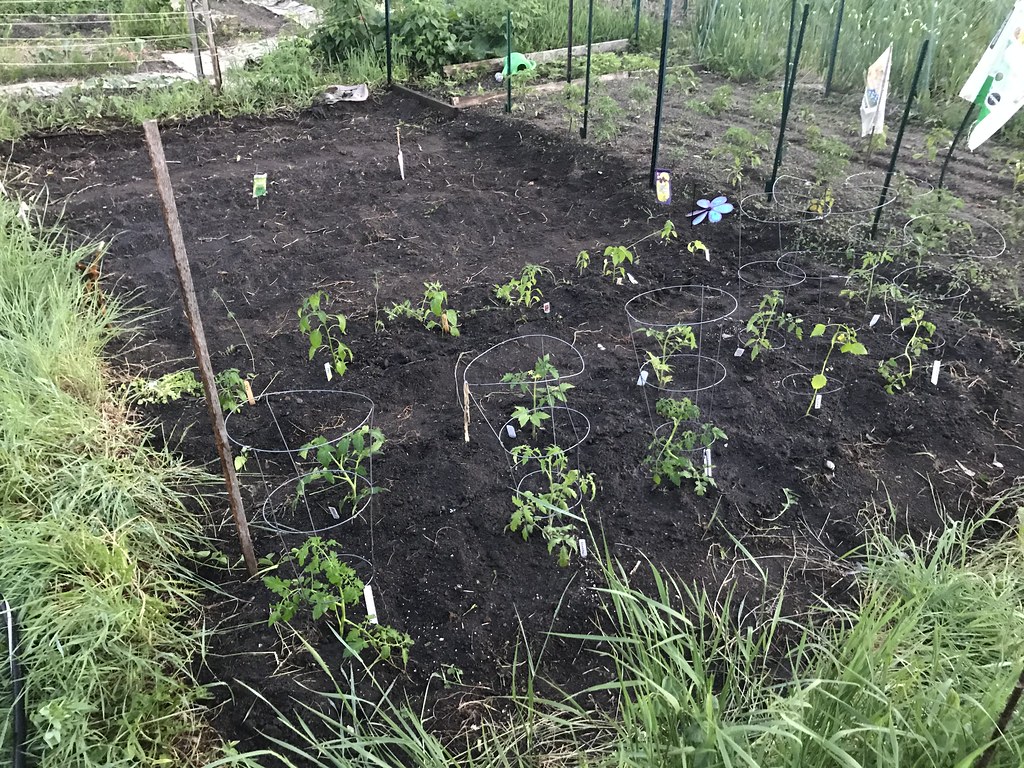
Later in the day, garden planted and lightly mulched with straw. Here we go! It did get a little cool for the tomatoes on Sunday night (40 degrees F) but they survived just fine. I think my garden’s microclimate is a bit warmer than the official temperature for Minneapolis, since it’s between two houses.

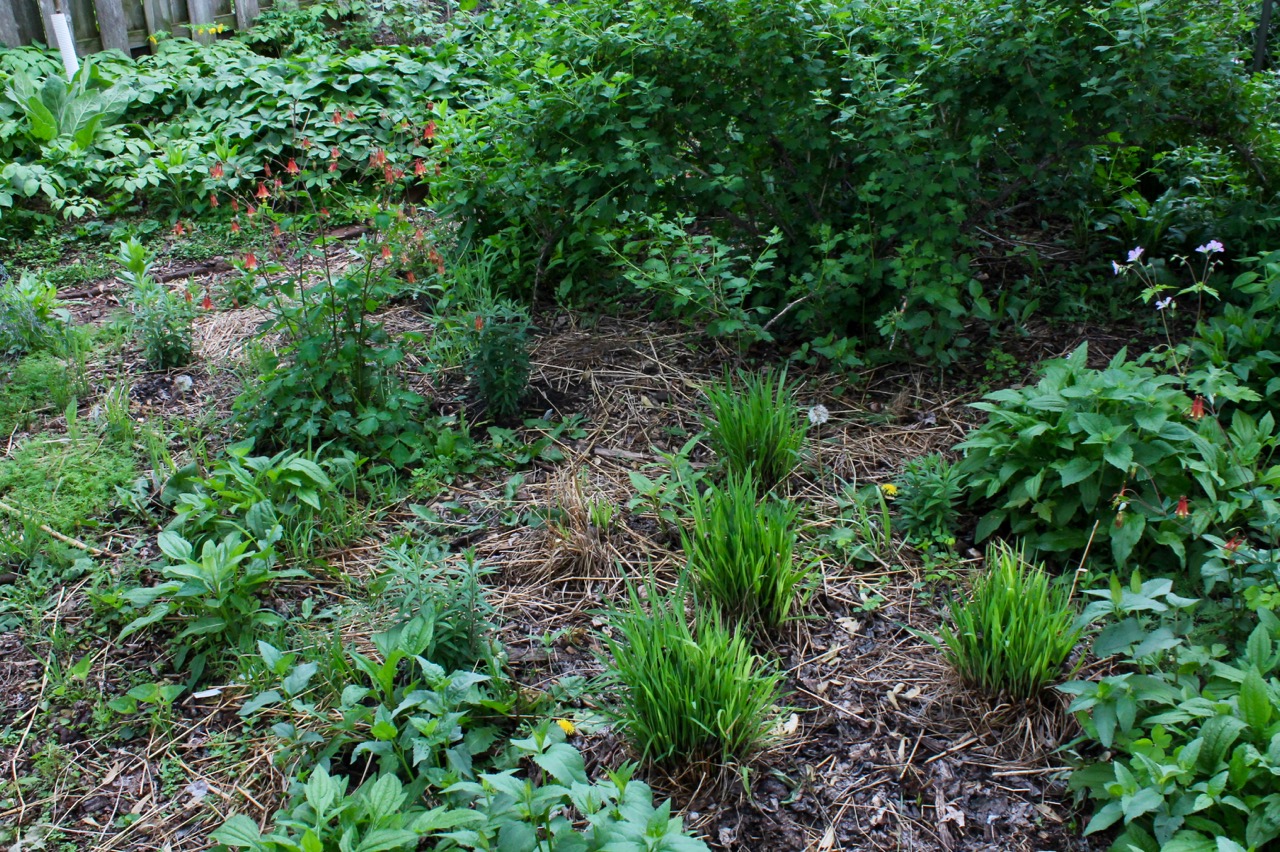
Beginnings of a native prairie boulevard garden

Then, because I’m not satisfied to garden for a mere 6 hours on Mothers Day, in the afternoon we decided to put in our new plants (we picked them up at the Friends Sale on Friday) into the boulevard. I’m going to do a separate post about the new prairie/native/butterfly boulevard garden this coming weekend after we put the finishing touches on it. Suffice to say I’m excited. Also, tired.

Lettuce in a stock tank garden, via New Home Economics

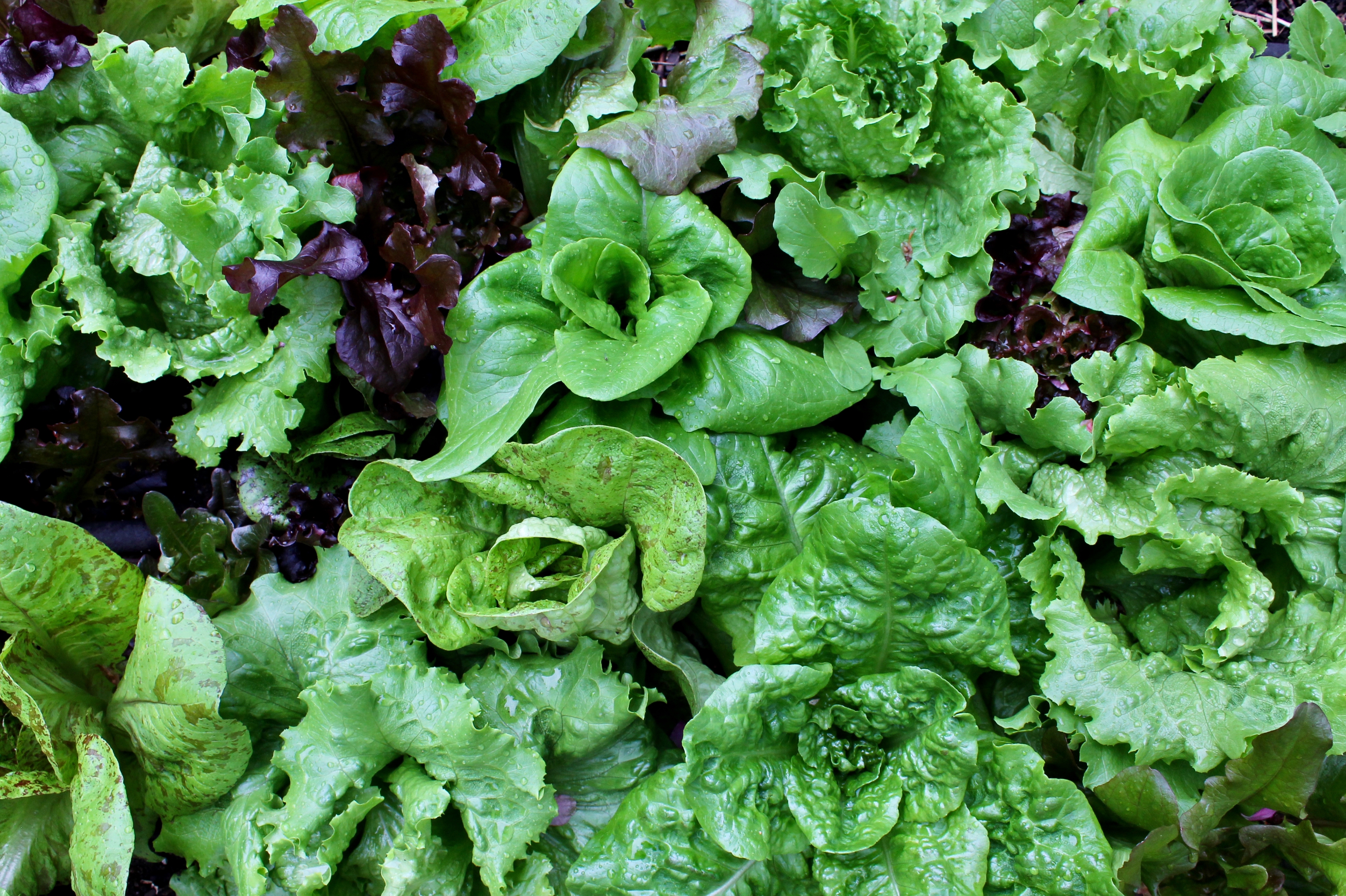
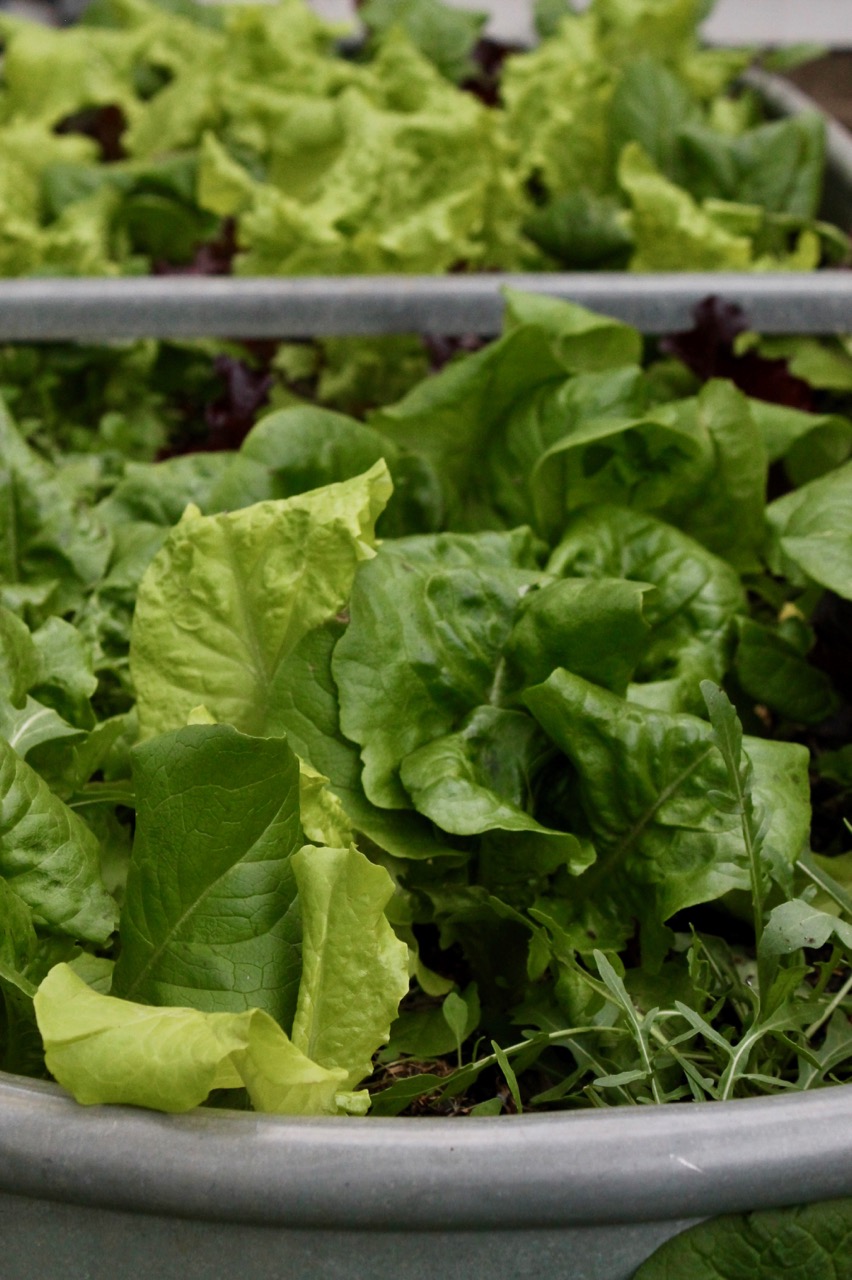
Lettuce, greens and snow peas coming along, and the weather’s nice enough now that we removed the hoop house. Aesthetically, a big improvement. I’m going to have to whip out a small support system for those peas this weekend. I’ve gotten one small lettuce harvest already, and plan a second for tomorrow.

Plants for Master Gardener event

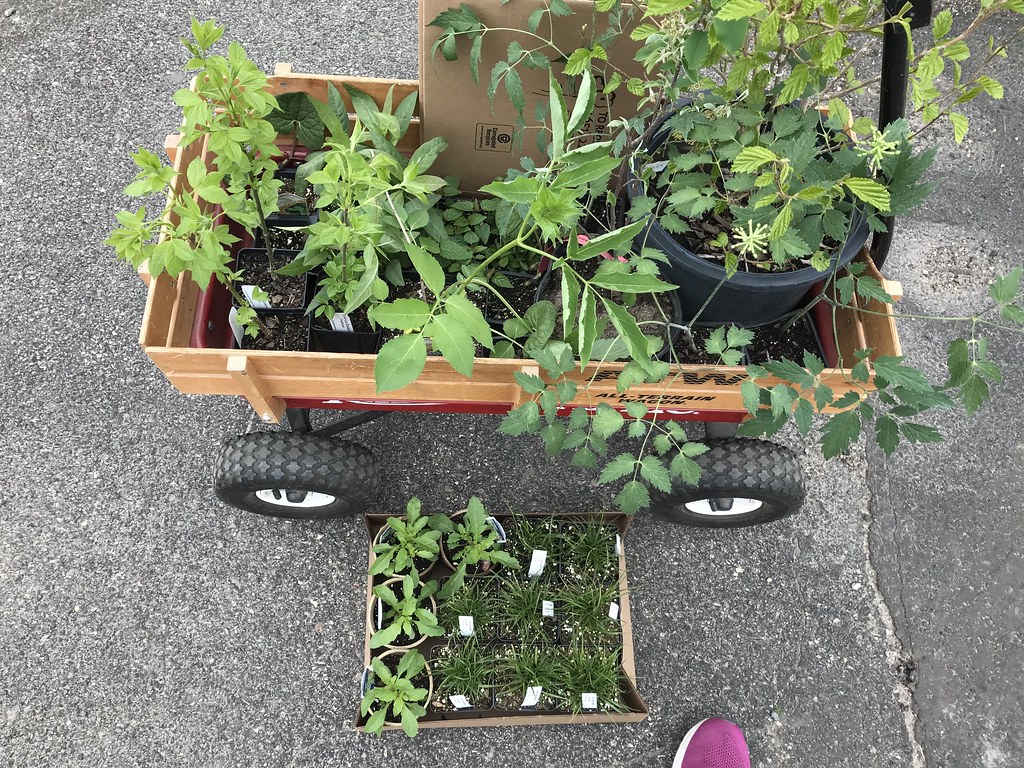
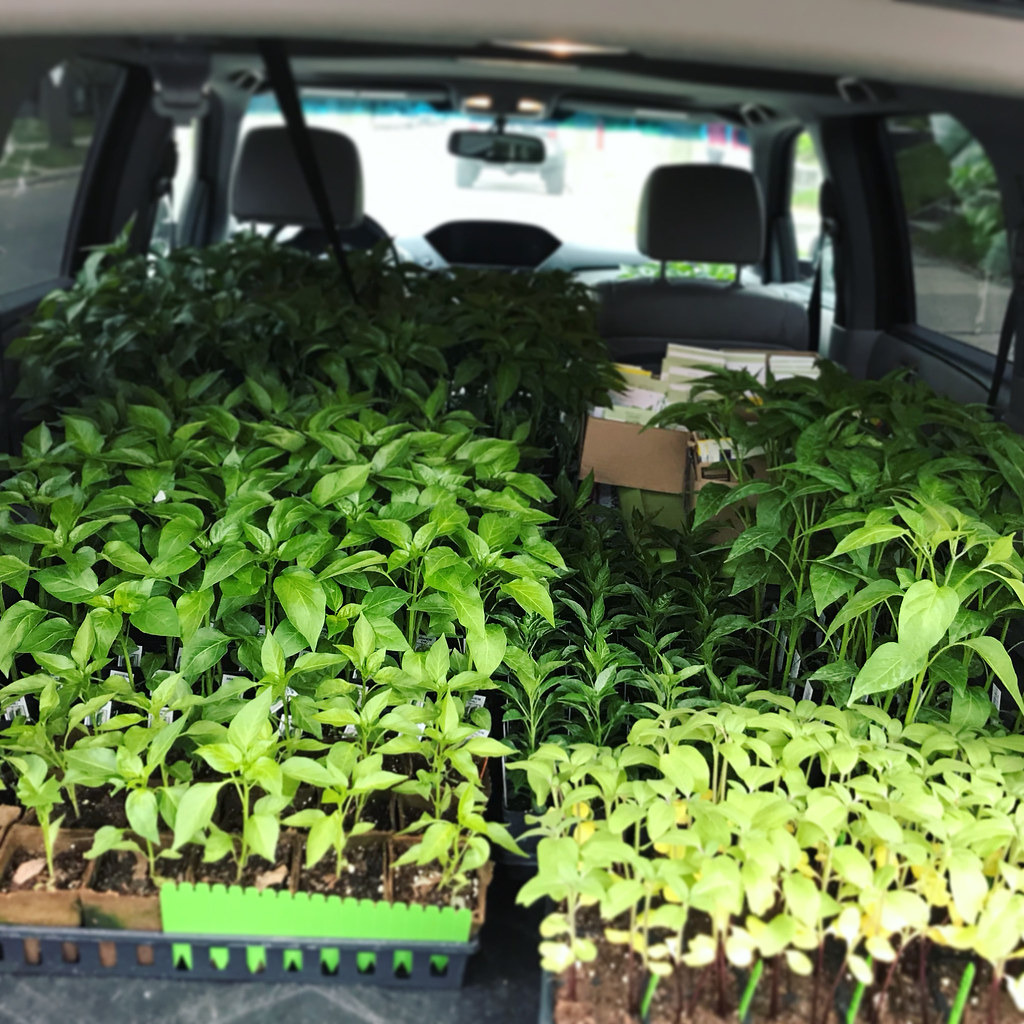
As if I weren’t busy enough, this Saturday I’m teaching vegetable gardening (as a Hennepin County Master Gardener) to a bunch of people who’ve never gardened (here) before and speak a different language than me! (We have a translator, thank goodness.) We’re giving them each a box of tomatoes, peppers, onions, and a few other goodies to get them started. That is, if I can keep all those plants alive for the rest of the week. But hey, they survived a hot 96 (F) degree wind today, so they must be pretty hardy.

What a weird spring. We’re not really having a spring; pretty much went from winter to summer overnight. Oh, Minnesota, I love you. This climate shapes us, shapes our character as people, whether we acknowledge it or not. (Most of us do, actually. See Keillor, Garrison.) Truly, it makes us better people. (See how I’m trying to convince myself?) Also, what year isn’t weird in some way?

OK, off to bed. May is a busy month!


1 Comment

Winter sowing update

Back in February, I decided to try my hand at winter seed sowing again. It’s become very popular, so I thought I’d give it a second chance even though my first try was a failure.

Winter seed sowing update

The wild rye and calendula sprouted nicely. But the native prairie plants I really wanted, in large quantity for my boulevard, have thus far done nothing. I think there might be a small sliver of green in the prairie blazing star, but I’m not sure if it’s even blazing star at this point or a weed.

Also, I’m not 100% sure I want to plant the Canada wild rye (mislabeled by me earlier this spring as virginia rye). We brought the seed head home from a prairie restoration that we visited in South Dakota last summer. The kids were really into it, so I thought “why not!” … but… it was so easy to sprout, and it was EVERYWHERE in the place where we camped… and I’m wondering now if it might be a tad invasive. Here’s more information on Canada wild rye.
So, anyone have experience with it? Should I go for it?


Leave a comment

Finally, spring

Three days in a row over 70 degrees… bliss. Things are finally starting to happen around here.

Lettuce and other greens in a hoop house garden

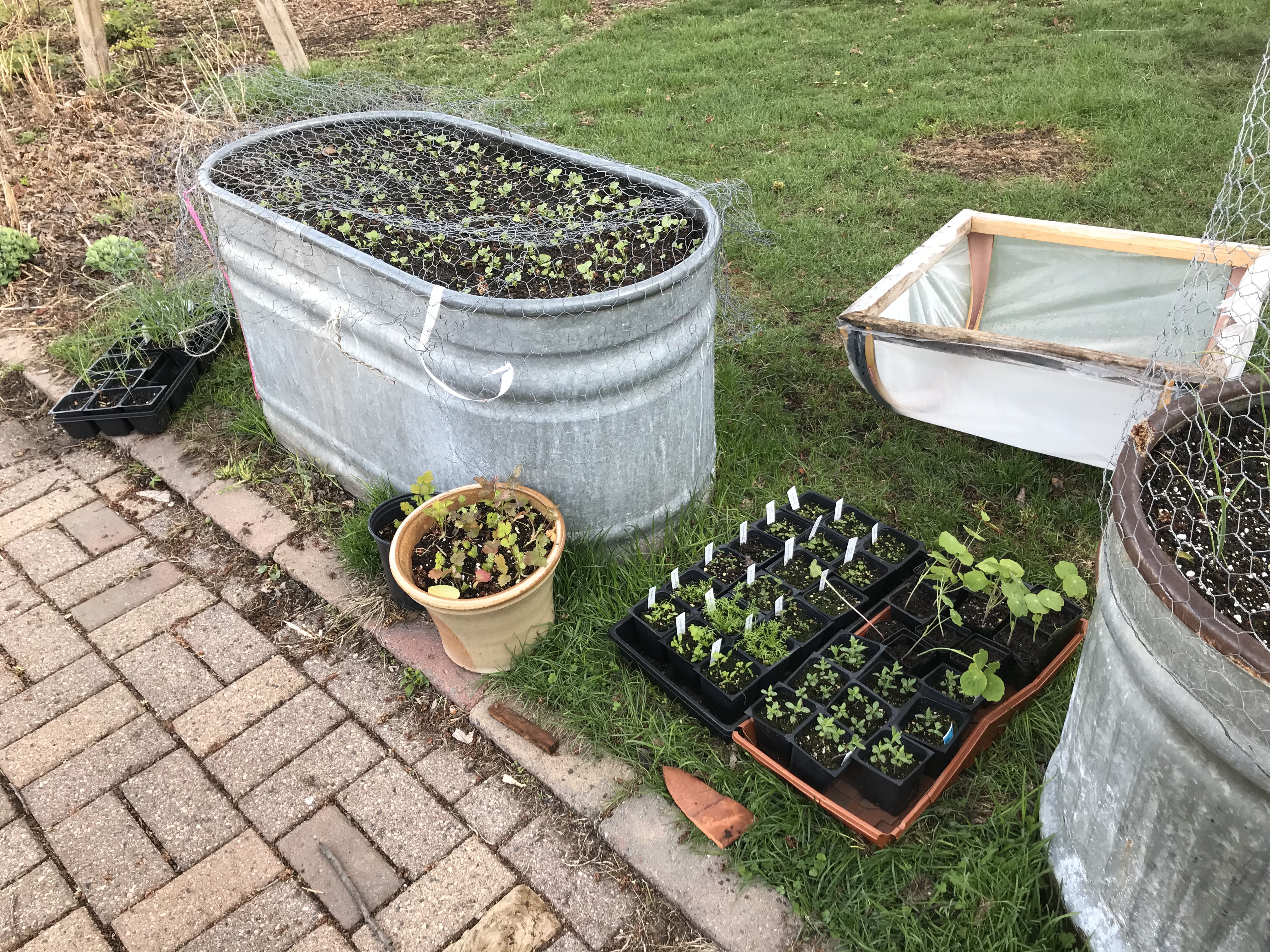
The lettuce and greens in the stock tank doubled in size, and the peas finally sprouted. (Too small to see from this angle, still.)

Siberian Squill in a woodland garden

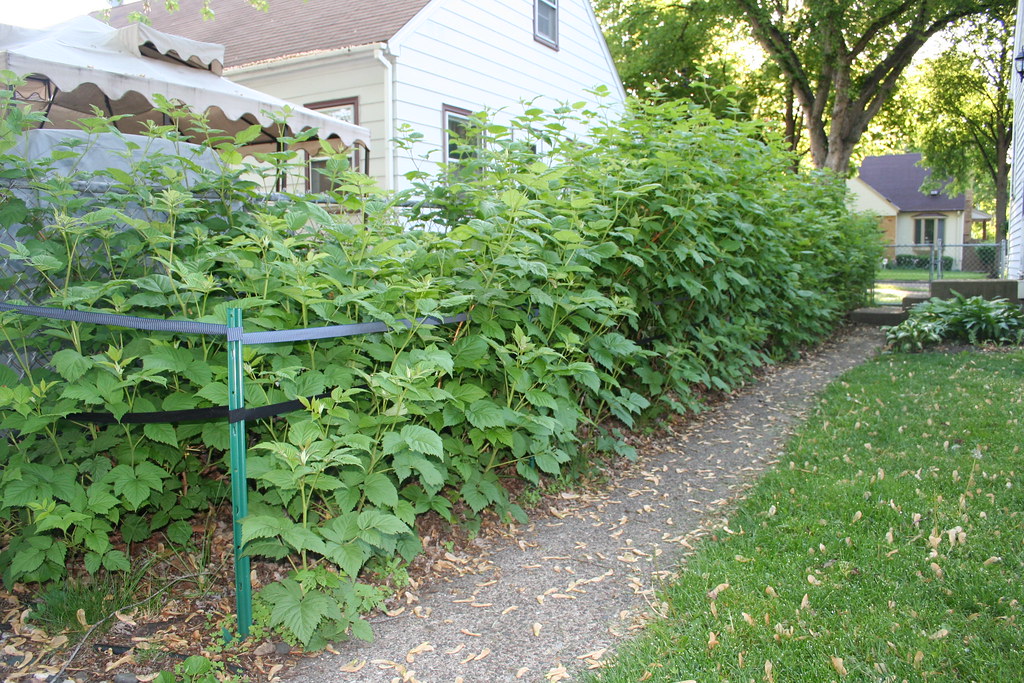
Siberian squill (Scilla siberica) are blooming in the raspberry patch.

finallyspring3

Tulips, protected from rabbits by an every-other-day sprinkling of human hair. It fortunately blends in with the mulch.

rabbit-destroyed grape vine

Not all is rosy, of course. Here is all that remains of what was, last year, a 12 foot long grapevine. Devoured by rabbits. At least they left a fertilizing gift all around the edge of the garden.

Rabbit fur

Speaking of rabbits, I wonder what got this one? A bit of tail was all that remained. I shed zero tears for it. Adam noticed some Cooper’s hawks are back in the neighborhood, so maybe they’re helping us out.

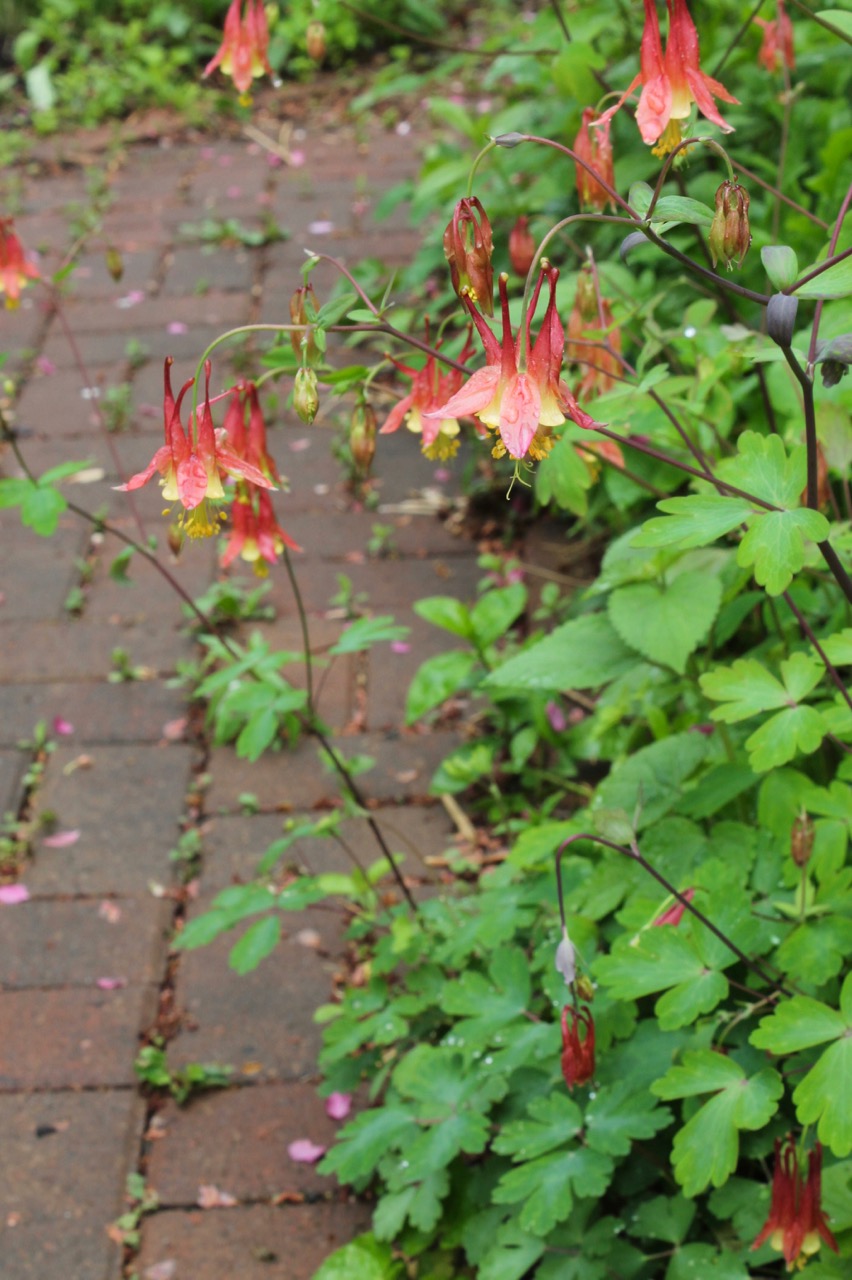
wild columbine in the spring

Wild columbine (Aquilegia canadensis) is coming up. We now have it in at least 5 spots in our garden. It could not be easier to grow, and is tolerant of many different light scenarios. Doesn’t seem to spread that much, either. Bonus: it provides nectar for hummingbirds and butterflies.

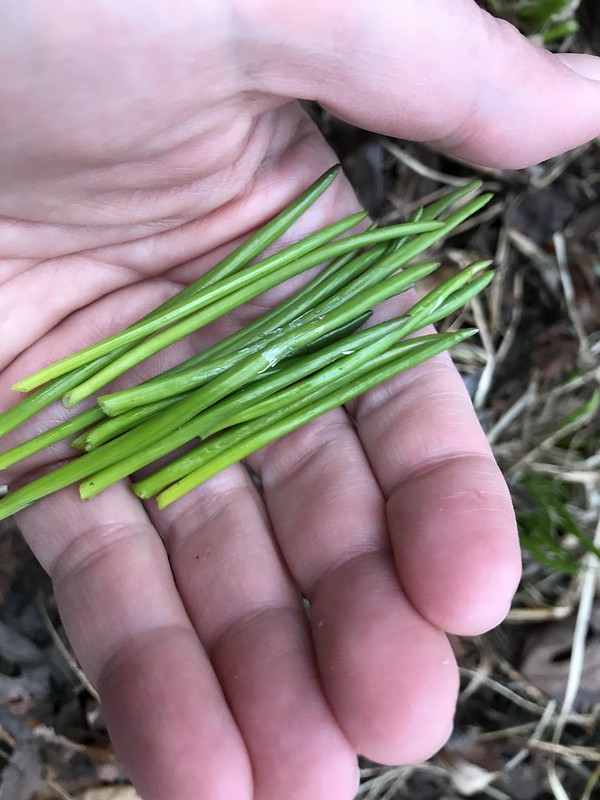
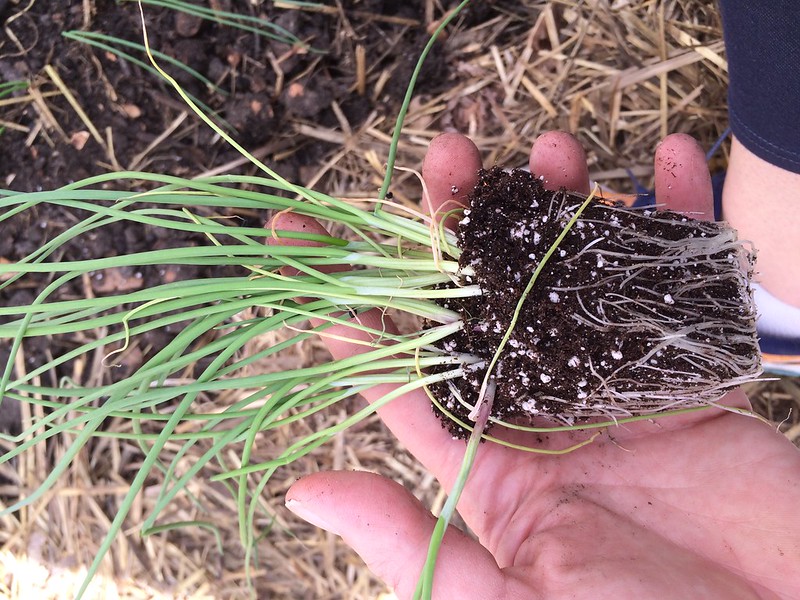
I think it’s safe to say we’ll have both chives and a first picking of lettuce within a week. Hurray for spring!


Leave a comment

Outside/Inside

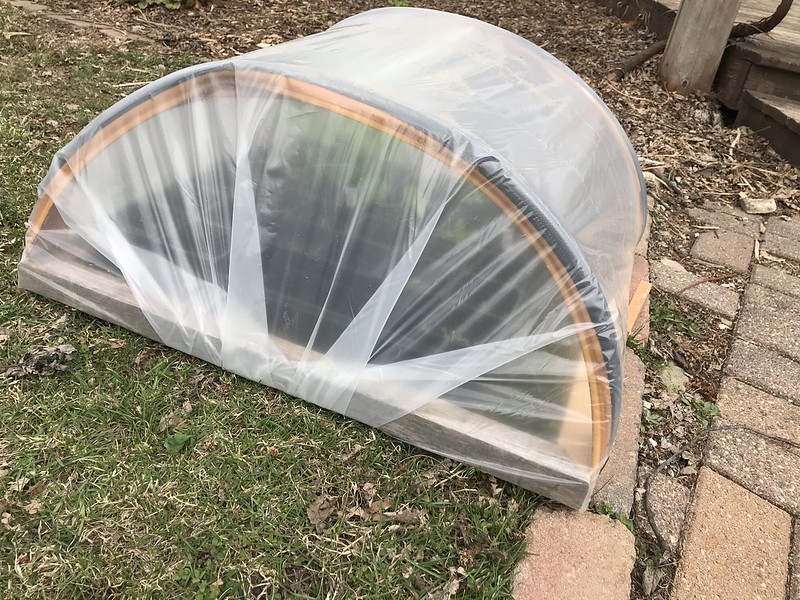
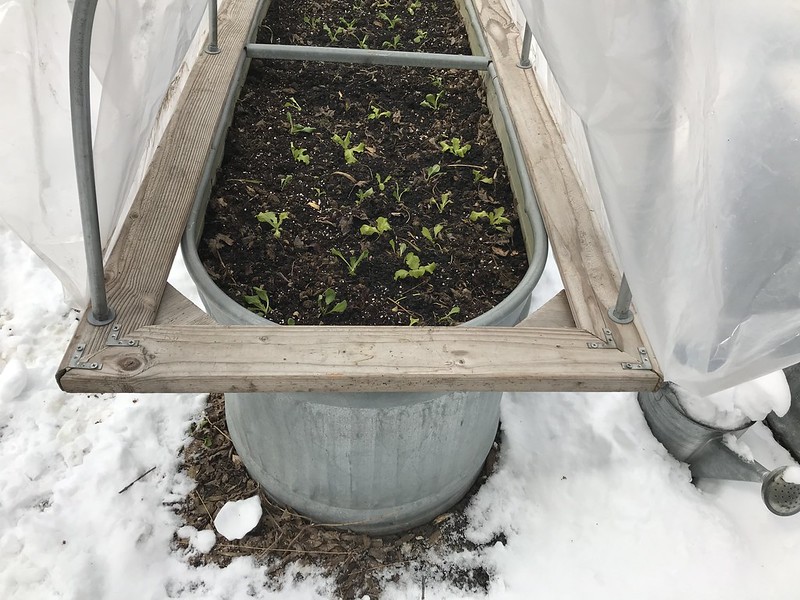
We had a pretty crappy week of freezing rain, sleet, snow, and everything in between. Happy to report that even though we (once again) have snow on the ground and below-freezing night-time temperatures, my lettuce and other greens are all staying happy and getting settled in to the hoop house.

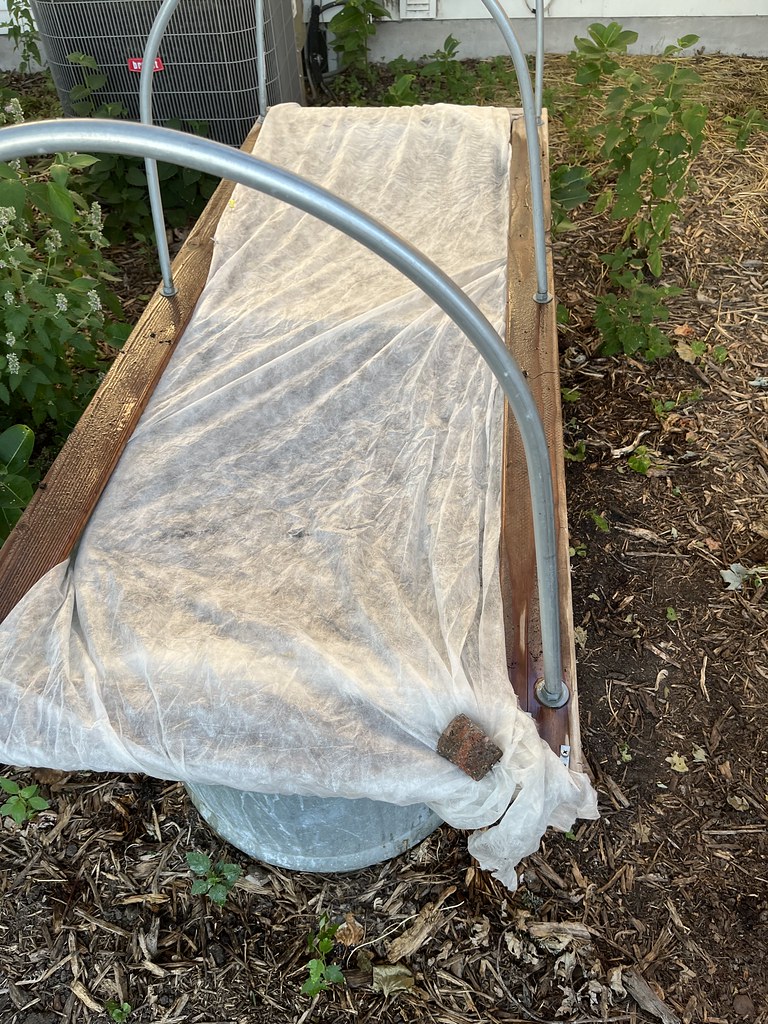
Temporary hoop house on a stock tank garden

Happy greens inside a stock tank hoop house garden

Spring: I found a tiny glimpse of it.


2 Comments

FINALLY!

Oh normal Minnesota spring, you’ve been vexing me. I started seeds in February. The plan at that time was to get the hoop house on top of the stock tank in early March, to give it a few weeks of protection from snow and hope that it would thaw quickly.

Then we had a flooded, frozen garage, and couldn’t access the hoop house (or my bike) for a good part of March. On Easter Sunday, with seedlings quickly outgrowing their starting containers, I bought some bagged compost (my pile is still frozen) and went out there with my shovel. The top 2-3 inches were fine, but the soil was frozen solid beneath that.

All week long I cursed it, pleaded with it, poured water on it, and generally picked at it with my shovel, waiting for that ice to clear up. It finally *mostly* did overnight last night, and we had a beautiful 50 degree (F) sunny day today, so in went the plants!
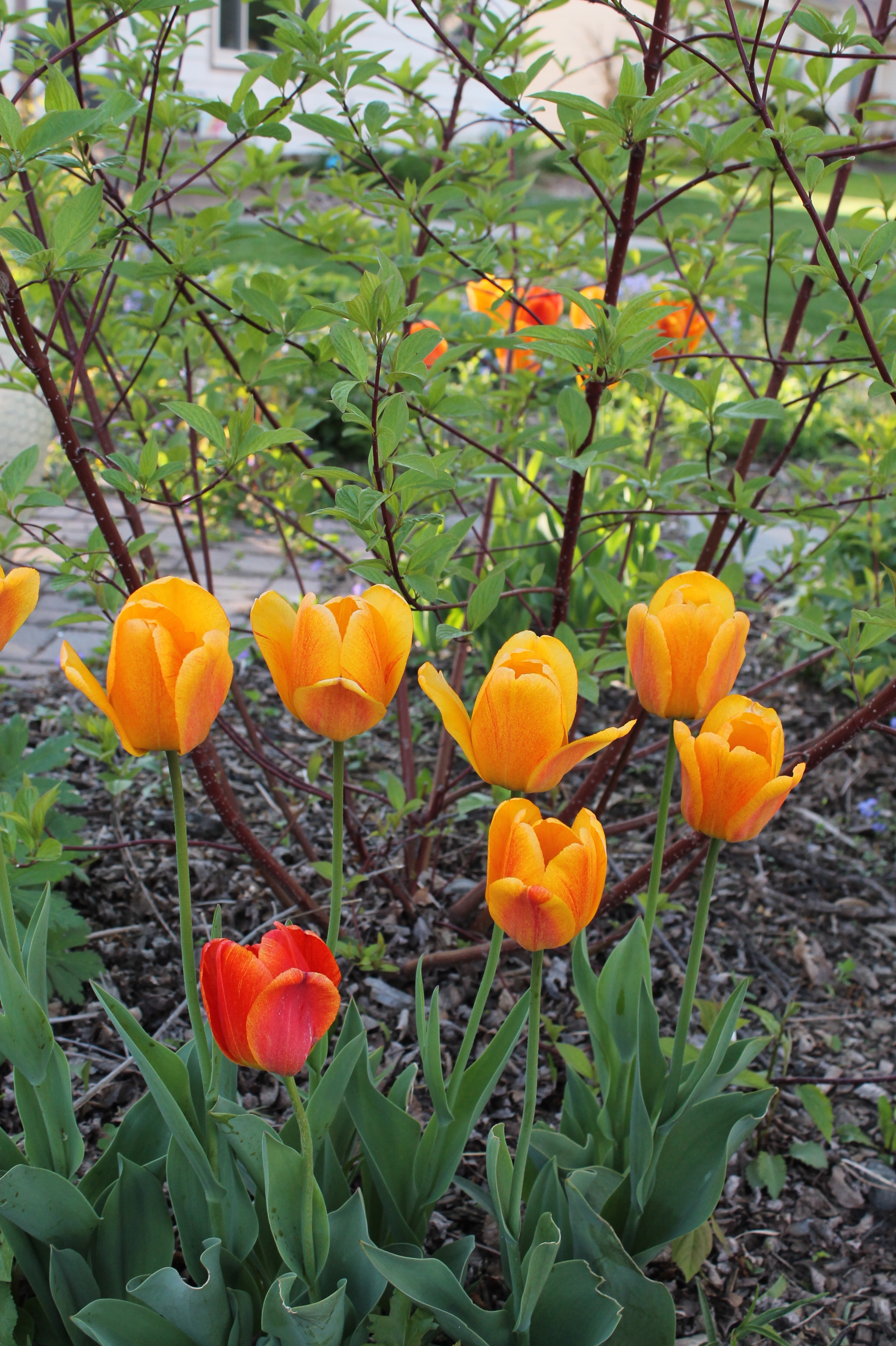
Rowan and Anneke plant peas in the stock tank

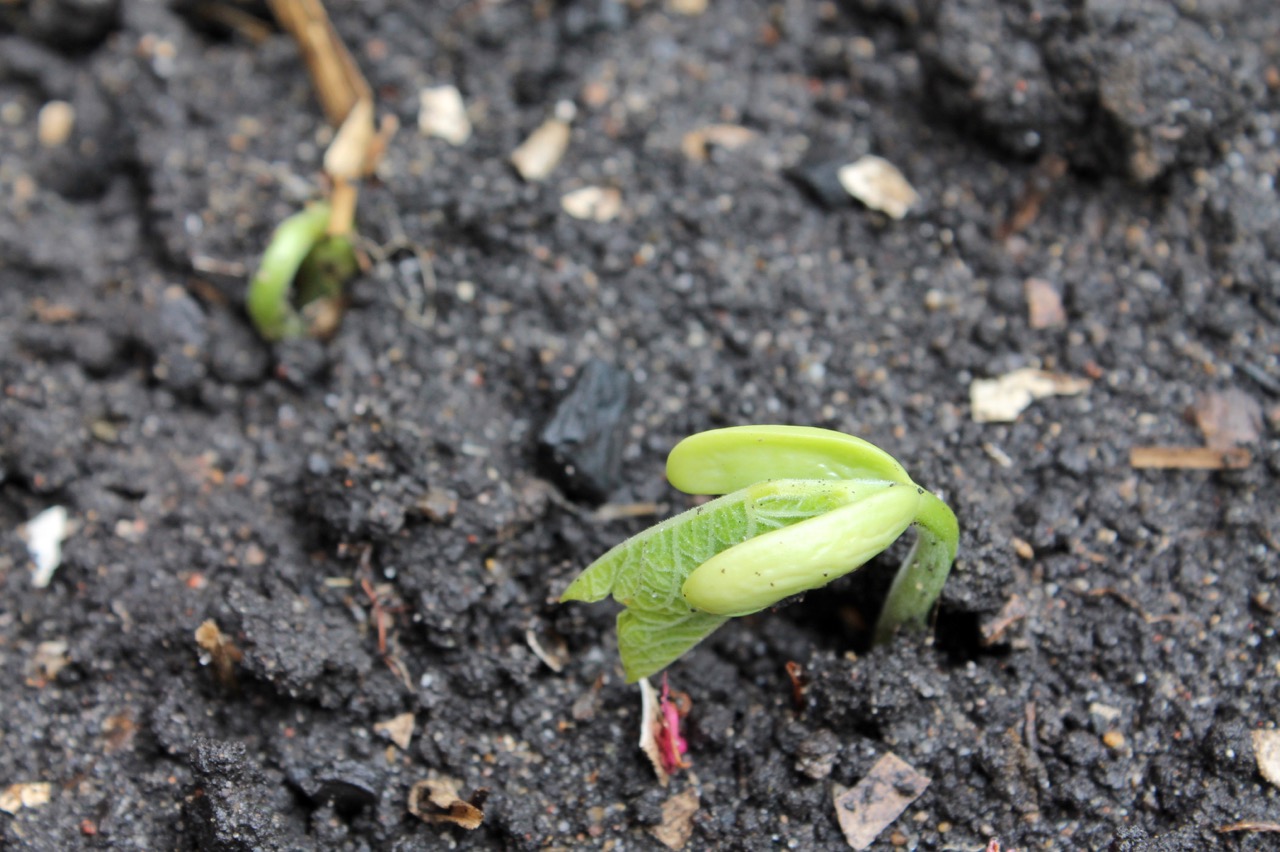
My junior master gardeners took a break from making mud pies and helped me with snow peas at the back of the tank. I’d been soaking the seeds in a wet paper towel for a few days in the refrigerator. I get much better germination rates from peas when I pre-soak.

Laying out the hoop house garden

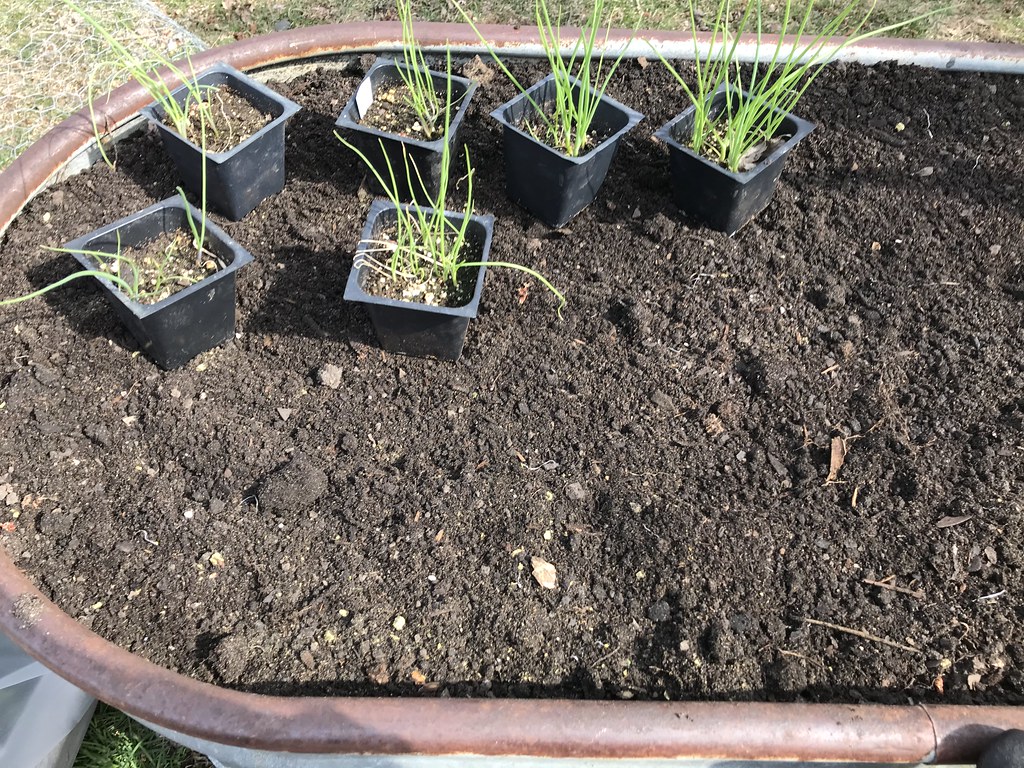
I laid out my toilet paper roll plants, which did end up holding together OK in the end. Back row is peas (not yet sprouted), then winter density lettuce, a highly-recommended (by me) romaine-type. Third row from the back is swiss chard and spinach mixed together. Front row is mesclun lettuce. (For reference, this tank is 6 feet long.)

Unwrapping plants

I planted a few winter density lettuces in their roll, but I quickly realized they would probably be happier if I unrolled the roll and plopped just the root ball in. Some held together better than others. The wild arugula, in particular, was a disaster. I don’t think it’s worth it to start that stuff inside—it does not thrive under artificial light.

Lettuce hoop house!
Everything planted, extra mesclun lettuce seed scattered, watered, and hoop house added to the top. The plants were overdue for transplanting; as you can see many of them look rather floppy and pathetic. But, in the past, I’ve seen them mostly recover from this state. They are in an environment that is protected from wind and pouring rain, but will still get plenty of sunlight (around 6-8 hours a day).

I am SO happy to have this done. Now… when will I get my first harvest? Also, will they survive this week? (Forecast is a bit on the cold side.)


Leave a comment

Book review: The Art of Fermentation

Art of Fermentation by Sandor Ellix KatzThe Art of Fermentation
An In-Depth Exploration of Essential Concepts and Processes from Around the World
By Sandor Ellix Katz

I met Sandor Katz a few years ago, shortly after I purchased his first book, Wild Fermentation. I feel fortunate that I took a class from him when he was still relatively unknown; the likelihood that he’ll be teaching inexpensive classes at local co-ops again in the near future seems pretty low.

Wild Fermentation is a true recipe book; in it you will find recipes for things like sauerkraut, kimchee, mead, and a whole host of other fermented foods. But one of my main issues with it was that I wanted to know the WHYs of every recipe. Why is it OK to eat brined pickles that are a bit moldy on the surface? Why did my brined pickles fail? Actually, how do I know whether they failed? Why is lacto-fermentation as safe (or safer) than canning? Does lacto- mean it involves lactose?

I had a lot of questions, clearly. Some of them were answered slowly, over time, as fermentation became mainstream. When I made my first batch of yogurt four years ago, google searches turned up almost no answers. Now, there’s even an heirloom vs. modern yogurt debate. I retired my yogurt maker and switched to the oven method a year ago.

Actually, the reason I read Wild Fermentation was in search of answers to MANY questions that I had after reading Nourishing Traditions. If you’ve ever read either one of those books, or had mixed success with some of the recipes, The Art of Fermentation is an invaluable resource. It covers everything the WAPF-ers are passionate about, from proper preparation of grains to culturing dairy products to the value of live-fermented foods, but the difference is Katz includes the science and logic to back up every single claim. Wild Fermentation and Art of Fermentation are truly complements to each other.

Here were some of my favorite bits from Art of Fermentation:

Botulism
If you’re confused about the now generations-old association between canning and botulism, Katz puts this question to rest once and for all. For starters: fermenting is completely different than canning, even though it may use the same jars. The acidic environment present in any and all fermented foods prevents botulism spores from ever gaining a foothold, as they can in warm, sterilized canned food environments. Katz includes an anecdote about Native Alaskan peoples’ techniques for preserving/fermenting fish, which involve burying them in a pit in the ground. Recently, people interested in reviving the tradition have tried fermenting fish in plastic bags and buckets instead of pits, and the results have been questionable enough that the US Centers for Disease Control conducted a test. To me, this was one of the most powerful passages in the book:

Two batches were prepared the proper traditional way, and two were prepared…using plastic bags or buckets. One of each batch we inoculated with botulism; the other was left natural. After the fermentation process was complete, we tested them. To our surprise, those batches of foods prepared the traditional way had no trace of the botulism toxin, not even in the foods that were inoculated with botulism spores. On the other hand, both batch of foods prepared in plastic tested positive for botulism. The advice that came out of that experiment was—”keep on fermenting your food, but never use plastic bags or buckets, and be certain that you do it the traditional native way without any short cuts or changes.”

Do you really need whey, or what?
I found the Nourishing Traditions fermented vegetable recipes confusing. The book made it sound (to me anyway) like if you do not use liquid whey (and I was unclear whether the whey should be from raw or pasteurized dairy), that your fermented foods will not turn out. My own anecdotal evidence plus this book has now settled this issue for me. Whey: not necessary at all. There’s no harm in using liquid whey; adding it is sort of like adding a “starter”–think sourdough. In vegetable ferments, it can help fermentation get started quicker, but it’s not necessary.

Yogurt
I’ve already documented a couple different yogurt-making methods that have worked for me, and Katz says his method has evolved as well. For one thing, he uses only 1 T. of starter per quart of milk and only cultures it for about 4 hours. Also, Katz clarifies the differences between using store-bought yogurt and heirloom cultures. But this is one of the great things about him: he doesn’t fuss about contentious issues like raw vs. pasteurized milk. He wants people to ferment foods which they have access to, whatever those may be.

Butter
I’ve always been confused about what is the difference between sweet cream and cultured butter. The difference is this: sweet cream butter is made from agitating fresh cream until the butter and the buttermilk separate. Cultured butter is made from cream that has first been “soured”–on it’s way to becoming creme fraiche. To make creme fraiche, simply add 1 T. of yogurt or buttermilk to 1 c. cream and leave it out for 24 hours. Refrigerate until set for creme fraiche, or shake it up for cultured butter. Now it all makes sense!

Water
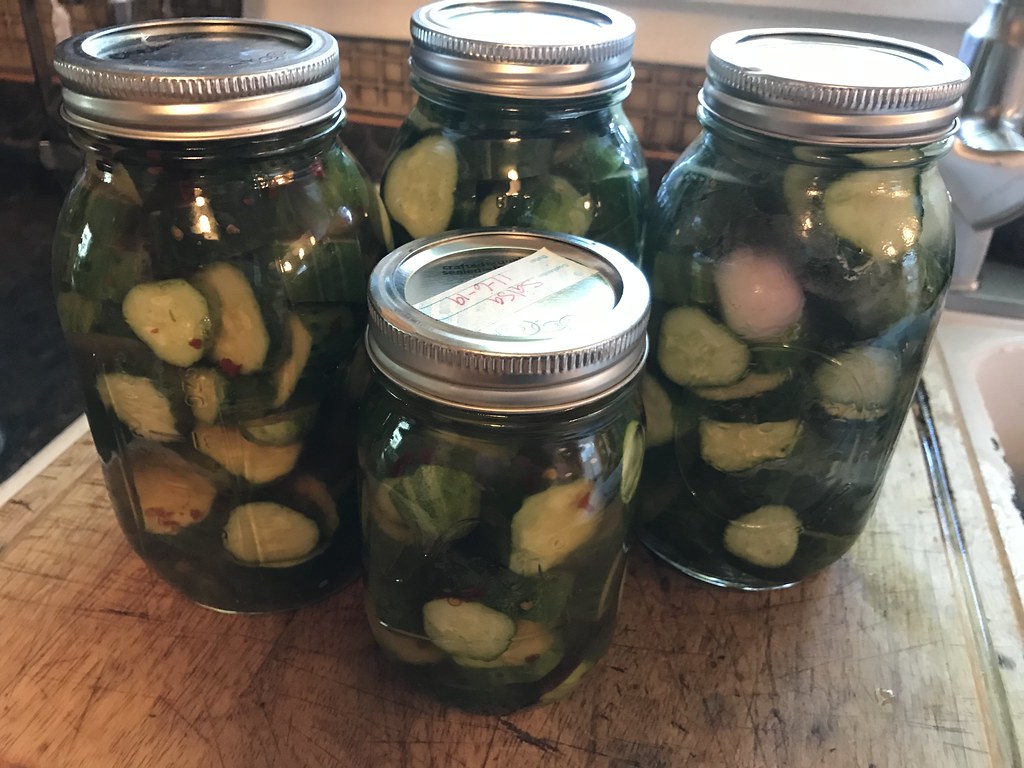
I now understand why several of my brine ferments have failed in the last few years: up until 2012, I always used tap water. Katz recommends against using city water because it has chlorine in it, which upsets the natural balance of bacteria. I had a feeling about this, so I used spring water for my pickles in 2012, and not one jar went bad. I don’t like buying bottled water, but for this one thing, it’s worth it. There are ways to de-chlorinate city water, but most simple filtration systems don’t remove enough of it. Yes, of course, I’d love to get a super expensive filtration system, but… maybe someday.

Other topics
Just to give you an idea, Art of Fermentation also covers all of the following: kombucha, sauerkraut, tempeh, miso, wine, beer, sake, hominy, coffee, cheese, salami, cod liver oil, brined mushrooms, kimchee, cider, fermented urine as garden fertilizer, sourdough breads, koji, and 100 year eggs. That’s only a sampling.  There are only a few recipes, in the traditional sense of the word; this is a book of methodology and inspiration. If you decide to make one of the more complicated ferments, such as salami, Katz urges you to read more on the subject and gives you ideas of where to start. On the other hand, with simpler vegetable and cultured milk ferments, there are SO many right ways to do them that knowing the basic methodology (and science behind why it works) is really all you need.

Fermentation, wow, who knew I would become so obsessed!? I love it!


5 Comments

Uh oh.

We’ve got a bit of a problem here.

  flooded rain garden

When we installed our rain garden last spring, we did our homework and found that our soil had excellent drainage. When it was not frozen. I’m not really sure why, as a lifelong Minnesotan, I did not consider winter in my design. Denial, perhaps?

Our [ancient, crumbling] garage sits on a foundation that is level (or once was level) with the ground. The wood framing and siding are attached to this foundation and are therefore rotten all the way around the bottom. This is not new. Fifty-plus years of flooding every March have made it happen. It’s flooded every one of the six Marches that we’ve lived here, save 2012 (which was a very strange year).

Now, instead of fixing the problem with my little rain garden, I’ve actually made it slightly worse, because now the rain garden is actually overflowing directly into the garage. Here’s a diagram to help you understand. The rain garden is dark gray:

Rain garden too close to the garage

The blue arrows represent melting snow draining into the rain garden. The brown arrows represent water draining out of the rain garden and into the garage, the driveway, and eventually the alley every afternoon (and freezing solid every night, which makes getting my bike out of the garage interesting).

We’ve obviously got work to do. The question is, what should we do? I’ve come up with two options.

Option 1:

Option 1 for fixed rain garden

We move the rain garden and all its plants (if they’re still alive) out approximately one foot, and make it more oval-shaped. We add a berm all along the edge of the garage under the eave, being sure that the drip line lands in such a way that water will slide down into the rain garden, not back into the garage. We try to alter the elevations slightly so that the water overflows out into the driveway/alley (it already does this now, in addition to going into the garage).

I’m not super jazzed about having to step over a berm to enter the garage through the service door, but I’m less enthused about tearing down the garage, putting in a proper foundation, and building a new garage, which, really, is what we ought to do. We’ll be able to afford that in approximately 10 years when we’re dead.

Option 2:

Option 2 is a little bit harder.

I like option 2 a little bit better for one main reason: it relocates the annual puddle/ice skating rink to underneath the swingset rather than the walkway/driveway. The hard part is that it is a lot more work. It adds one more berm on the left, in an inconvenient location by the back gate, and then there’s a lot more digging to create a depression where one does not currently exist (between the rain garden and the swingset). Also: I’m not 100% certain that this plan would work, since it fights the natural tendency of our yard to drain towards the garage, instead of away from it. Am I trying to make a river flow the wrong way, here?

One thing to remember is that we only deal with an overflowing rain garden during this time of year. When the ground is not frozen, it functions beautifully. We had several storms last summer/fall and it handled all the run-off water beautifully with NO overflow. March. It really… makes us into better people. Right?

What would you do in this situation?

Follow

Get every new post delivered to your Inbox.

Join 110 other followers